Meta Description: Oracle layoffs 2026: Discover why Oracle cut thousands of jobs globally, how it impacts employees, and what this means for the tech industry’s AI and cloud shift. Target Keywords: Oracle layoffs 2026, Oracle job cuts, Oracle AI investment, Oracle cloud restructuring, tech industry layoffs, IT layoffs India 2026
Introduction In early 2026, Oracle, one of the world’s leading software and cloud computing companies, announced a massive round of layoffs impacting thousands of employees worldwide. The decision comes amid Oracle’s strategic shift toward artificial intelligence (AI) and cloud services, reflecting broader trends in the tech industry. This article breaks down the Oracle layoffs 2026, detailing who was affected, why the cuts happened, and what this means for employees and the tech ecosystem.
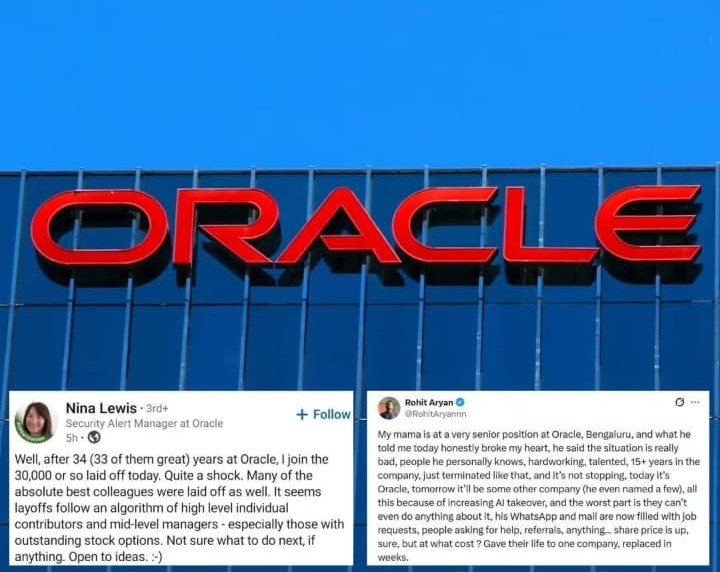
What Happened: Oracle Layoffs Timeline • Start Date: March 31, 2026 • Method of Notification: Mass early-morning emails (6 a.m.) to employees • Immediate Impact: Many employees lost access to internal systems immediately after the notice Global Impact • Total Affected: Estimated 20,000–30,000 employees worldwide • India: 12,000+ job cuts, affecting major IT hubs • Other Regions: United States, Canada, Mexico, Europe, and Asia-Pacific
Departments Most Affected Oracle layoffs touched several key divisions:
- Engineering & Cloud Services – Core development teams for Oracle SaaS and cloud solutions
- Sales & Customer Success – Teams managing enterprise clients
- Security & Support – Operational staff ensuring software reliability
Despite these reductions, Oracle continues to invest in AI and cloud infrastructure, signaling a pivot to high-growth technology sectors.
Why Oracle Laid Off Employees
- Strategic Focus on AI and Cloud Oracle is reallocating resources to AI-driven cloud solutions, aiming to compete with Amazon Web Services, Microsoft Azure, and Google Cloud. Analysts suggest these layoffs are designed to free resources for innovation and next-generation technology investments.
- Cost Reduction & Restructuring • Oracle expects billions in restructuring costs this fiscal year • Layoffs reduce operational expenses while funding AI and cloud projects
- Industry-Wide Tech Layoff Trends
2026 has seen multiple tech companies reduce workforces to align with automation and AI-focused growth. Oracle’s actions reflect a broader industry trend in IT layoffs.
Employee Experience and Severance • Employees reported the layoffs were abrupt and impersonal • Severance packages were contingent on signing separation documents • Stock options: Unvested RSUs generally forfeited Many affected workers now face the challenge of re-entering a competitive tech job market or reskilling for emerging AI and cloud roles.
Broader Implications For Employees • Job Market Competition: Thousands of professionals are now seeking new opportunities • Upskilling Opportunity: High demand in AI, cloud, and cybersecurity roles For Investors • Stock Reaction: Volatile, with long-term strategic focus on AI and cloud viewed positively For the Tech Industry • Talent Redistribution: Experienced Oracle professionals may join startups or competitors • AI & Cloud Dominance: Companies continue shifting resources toward high-growth technologies
Lessons from Oracle Layoffs 2026
- Adaptability is Key: Employees need continuous learning and skill alignment with AI, cloud, and automation
- Strategic Workforce Management: Companies must balance operational efficiency with innovation
- Communication Matters: Impersonal mass layoffs can affect morale, brand reputation, and employee trust
Conclusion The Oracle layoffs 2026 reflect more than a corporate decision—they are a sign of the tech industry’s transformation toward AI and cloud-first strategies. While disruptive for employees, the shift highlights new opportunities for innovation, talent mobility, and technological growth. As Oracle invests in its next-generation services, the global tech ecosystem watches closely, learning lessons about workforce restructuring, AI adoption, and the future of enterprise software.
